

Awesome difference between 5g starshare and b1g iptv
The difference between 5G StarShare and B1G IPTV service is a topic of increasing interest as the IPTV landscape evolves at a rapid pace. Understanding the nuances between these two services is crucia...
The difference between 5G StarShare and B1G IPTV service is a topic of increasing interest as the IPTV landscape evolves at a rapid pace. Understanding the nuances between these two services is crucial for consumers and businesses alike in 2026, especially with the continuous advancements in streaming technology. This comprehensive guide will delve deep into the core functionalities, technological underpinnings, and user experiences offered by both 5G StarShare and B1G IPTV, highlighting the key distinctions that define the difference between 5G StarShare and B1G IPTV service.
Table of ContentsUnderstanding the Core Offerings: 5G StarShare vs. B1G IPTVTechnological Foundations and Network InfrastructureContent Delivery and User Experience: A Key Difference Between 5G StarShare and B1G IPTV ServicePricing Models and Subscription StructuresFuture-Proofing and Evolution: The Difference Between 5G StarShare and B1G IPTV ServiceChoosing Your Ideal IPTV Service in 2026FAQRelated IPTV Services
Understanding the Core Offerings: 5G StarShare vs. B1G IPTV
When we talk about the difference between 5G StarShare and B1G IPTV service, we’re primarily looking at their service models, content delivery methods, and target audiences. 5G StarShare, as its name suggests, often leverages the capabilities of 5G cellular networks for content distribution, emphasizing speed, low latency, and mobile accessibility. This makes it particularly appealing for users who are constantly on the go or reside in areas with robust 5G infrastructure but limited traditional broadband options. The emphasis here is on a seamless, high-definition streaming experience, unburdened by buffering or traditional cable limitations.
B1G IPTV, on the other hand, typically operates as a more conventional internet protocol television service. While it can certainly benefit from high-speed internet, its design isn’t inherently tied to 5G technology. B1G IPTV providers often focus on a broad spectrum of channels, VOD libraries, and compatibility with a wider range of devices, from smart TVs to set-top boxes. The variety of channels offered by B1G IPTV can be a significant draw for users looking for extensive content options.
The fundamental difference between 5G StarShare and B1G IPTV service in this context lies in their foundational technological approach. 5G StarShare is built with a future-forward vision, aiming to capitalize on the next generation of mobile connectivity, while B1G IPTV often prioritizes widespread accessibility and a comprehensive content catalog across various internet connections.
Choosing between them often comes down to individual priorities: do you value cutting-edge mobile streaming and low latency above all else, or is a vast content library and broad device compatibility your primary concern? This initial assessment is key to understanding the practical implications of the difference between 5G StarShare and B1G IPTV service.
Technological Foundations and Network Infrastructure
The technological foundations are where the significant difference between 5G StarShare and B1G IPTV service truly becomes apparent. 5G StarShare’s strength lies in its potential to utilize 5G networks. This means leveraging features like enhanced mobile broadband (eMBB), ultra-reliable low-latency communications (URLLC), and massive machine-type communications (mMTC). For IPTV, eMBB translates to incredibly fast download speeds, allowing for 4K and even 8K streaming with minimal buffering. URLLC ensures near-instantaneous channel changes and interactivity, which can revolutionize live sports and interactive content. This reliance on a dedicated, high-performance wireless network sets it apart.
B1G IPTV, while benefiting from fiber optic and traditional broadband connections, doesn’t inherently rely on 5G. It typically uses standard internet protocols to deliver content, meaning its performance is largely dependent on the user’s internet service provider and local network conditions. While a good broadband connection can deliver excellent results, it lacks the inherent advantages of a purpose-built 5G network for streaming, such as network slicing which could prioritize IPTV traffic for 5G StarShare users. This distinction is crucial when considering the potential for future innovations and reliable delivery.
The infrastructure required for each also differs. 5G StarShare requires a robust 5G network rollout, which is still expanding globally. B1G IPTV, on the other hand, can operate wherever there is a stable internet connection, making it more universally accessible in its current form. This infrastructure difference dictates the geographical availability and the quality of experience users can expect from each service, significantly contributing to the difference between 5G StarShare and B1G IPTV service.
Content Delivery and User Experience: A Key Difference Between 5G StarShare and B1G IPTV Service
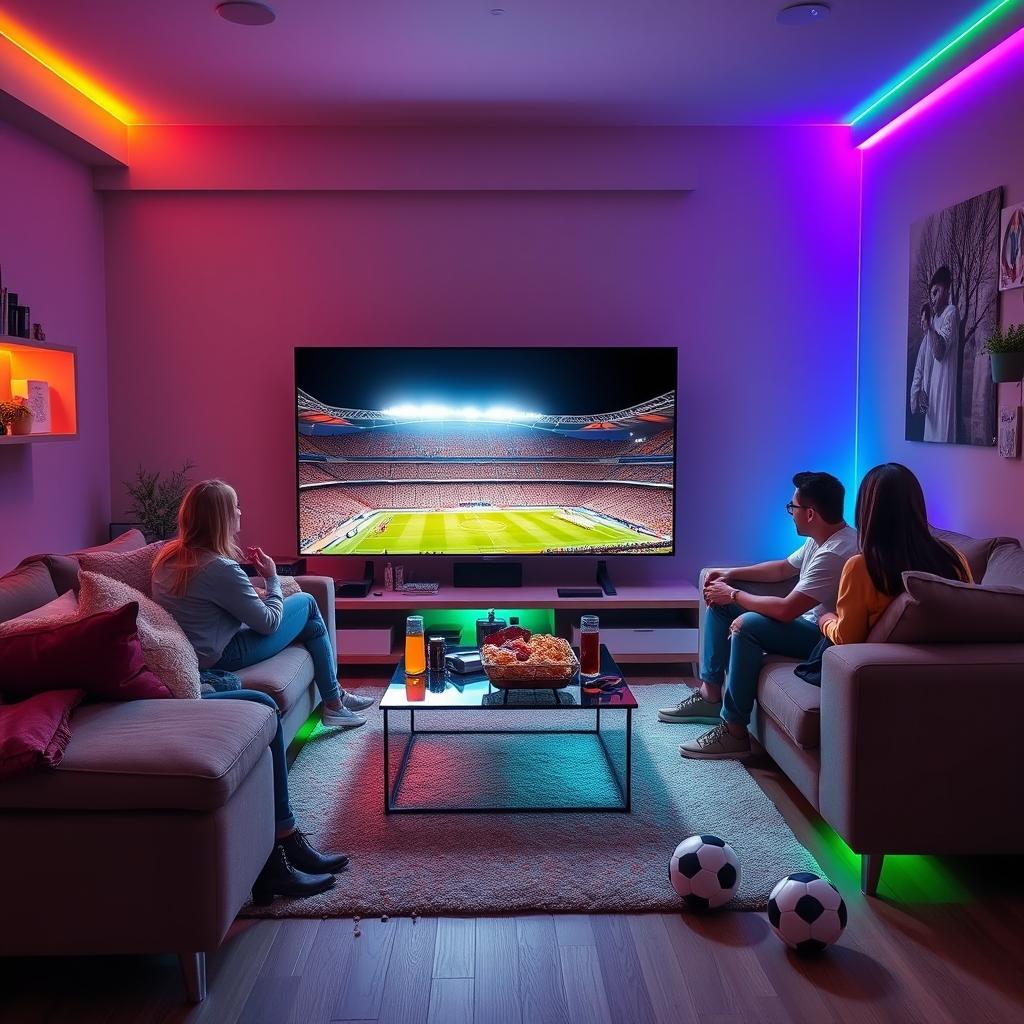
The user experience is paramount for any streaming service, and here, the difference between 5G StarShare and B1G IPTV service can be quite pronounced. 5G StarShare, with its low latency and high bandwidth, aims to deliver an almost instantaneous and buffer-free viewing experience, even for demanding content like live sports or high-resolution movies. The promise of 5G is a seamless transition between devices and locations, making it ideal for mobile-first users or those who frequently stream outside their homes. Imagine watching a 4K football match without a single stutter while commuting – that’s the ambition of 5G StarShare.
B1G IPTV, while capable of delivering high-quality content, often experiences performance variations based on network congestion, Wi-Fi quality, and the overall stability of the user’s internet connection. While many B1G IPTV providers offer excellent service, the “last mile” delivery to the user’s device can be a bottleneck. The experience can be highly dependent on the user’s home network setup. However, B1G IPTV often excels in offering a vast and diverse content library, including international channels, niche content, and extensive video-on-demand options, which might appeal to a broader audience looking for variety.
Another aspect of the user experience is device compatibility. B1G IPTV typically supports a wide array of devices, from dedicated set-top boxes to smart TVs, smartphones, tablets, and computers. This broad compatibility makes it highly accessible. 5G StarShare, while also compatible with many devices, might initially focus on devices that can fully leverage 5G capabilities, such as newer smartphones and dedicated 5G-enabled streaming sticks. This distinction in device focus is another facet of the difference between 5G StarShare and B1G IPTV service.
Ultimately, the user experience boils down to what a user prioritizes. If uninterrupted, high-resolution, low-latency streaming on the go is the goal, 5G StarShare might have the edge. If a vast content library and broad device compatibility are more important, B1G IPTV could be the preferred choice. For more details on supported devices, refer to extraiptv.org/devices.
Pricing Models and Subscription Structures
Examining the pricing models reveals another significant difference between 5G StarShare and B1G IPTV service. As a cutting-edge service leveraging advanced 5G infrastructure, 5G StarShare might come with a premium price tag, especially in its early adoption phases. This premium could reflect the investment in 5G network infrastructure, the specialized hardware, and the promise of a superior, low-latency streaming experience. Subscription tiers might be structured around data allowances, speed tiers, or access to exclusive 5G-optimized content. Users might also need to factor in the cost of a 5G-compatible device if they don’t already own one.
B1G IPTV, on the other hand, typically offers more varied and often more competitive pricing structures. Given its broader market penetration and reliance on existing internet infrastructure, B1G IPTV providers can offer a range of packages, from basic channel lineups to premium bundles, often with flexible monthly, quarterly, or annual subscription options. The pricing plans for B1G IPTV are generally designed to be accessible to a wider demographic, making it a cost-effective alternative to traditional cable TV.
The difference between 5G StarShare and B1G IPTV service in terms of cost often boils down to value proposition. Is the superior performance and mobile-centric nature of 5G StarShare worth a potentially higher price? Or is the extensive content library and affordability of B1G IPTV more appealing? Consumers will need to weigh these factors carefully. It’s also worth noting that as 5G technology matures and becomes more widespread, its pricing might become more competitive, narrowing this gap in the future.
Future-Proofing and Evolution: The Difference Between 5G StarShare and B1G IPTV Service
Looking ahead to 2026 and beyond, the future-proofing capabilities and evolutionary paths of these services present a compelling difference between 5G StarShare and B1G IPTV service. 5G StarShare is inherently designed to evolve with the advancements in 5G technology. As 5G networks become denser, faster, and more intelligent, 5G StarShare can leverage these improvements to offer even more immersive experiences, such as augmented reality (AR) and virtual reality (VR) content integrated with live streams, or highly interactive multi-angle sports viewing. Its foundation is built for innovation in the mobile and connected devices space, promising a dynamic future.
B1G IPTV will continue to evolve, primarily by expanding its content libraries, improving its user interfaces, and enhancing its streaming algorithms for better efficiency over traditional internet connections. While it can also integrate new technologies like 4K and 8K streaming, its core delivery mechanism remains tied to internet broadband. The innovation for B1G IPTV will likely focus on content aggregation, personalization, and seamless integration with smart home ecosystems. It will aim to remain a comprehensive and reliable source of entertainment for homes worldwide.
The long-term difference between 5G StarShare and B1G IPTV service lies in their potential for disruption. 5G StarShare has the potential to redefine how we consume media, especially outside the home, by offering a truly mobile-first, high-quality experience. B1G IPTV, while not as disruptive in terms of network technology, will continue to refine and expand its offerings, making it a robust and accessible alternative to traditional television. Both services are poised for growth, but their trajectories are distinct, catering to different aspects of the evolving digital consumption landscape.
Choosing Your Ideal IPTV Service in 2026
Deciding between 5G StarShare and B1G IPTV service in 2026 ultimately depends on your specific needs, priorities, and geographical location. If you are an early adopter, value cutting-edge technology, and reside in an area with excellent 5G coverage, 5G StarShare might offer an unparalleled, low-latency, and high-definition mobile streaming experience. Its potential for integration with future AR/VR content and interactive features makes it an exciting prospect for those looking for the next generation of entertainment.
Conversely, if your priority is a vast and diverse content library, broad device compatibility, and a cost-effective solution for home viewing, B1G IPTV service remains an extremely strong contender. It offers a reliable and comprehensive entertainment package that works well across a wide range of internet connections, making it accessible to a larger audience. The subscription options for B1G IPTV are often more flexible, catering to different budgets and viewing habits.
Consider your daily usage patterns. Do you primarily watch TV at home on a smart TV, or are you frequently streaming on your smartphone or tablet while on the move? Your answer to this question will significantly influence which service aligns better with your lifestyle. The difference between 5G StarShare and B1G IPTV service boils down to a choice between bleeding-edge mobile performance and widespread content accessibility.
It’s also important to research specific providers within each category. Not all 5G StarShare or B1G IPTV services are created equal. Look for reviews, check channel lineups, and compare customer support options before making a decision. Both services represent excellent options for modern entertainment, but understanding their core differences will help you make an informed choice that best suits your viewing preferences in 2026.
FAQ
What is the primary difference between 5G StarShare and B1G IPTV service?
The primary difference between 5G StarShare and B1G IPTV service lies in their core technological reliance. 5G StarShare leverages 5G cellular networks for content delivery, emphasizing speed, low latency, and mobile accessibility. B1G IPTV typically uses standard internet protocols over traditional broadband connections, focusing on broad content catalogs and wide device compatibility.
Is 5G StarShare available everywhere?
No, 5G StarShare’s availability is dependent on the rollout and coverage of 5G networks. While 5G is expanding rapidly, it may not be universally available or equally robust in all regions. B1G IPTV, relying on general internet connectivity, tends to have broader geographical availability where stable internet is present.
Which service offers more channels, 5G StarShare or B1G IPTV?
Typically, B1G IPTV services tend to offer a more extensive and diverse range of channels and video-on-demand content. While 5G StarShare focuses on optimizing streaming quality via 5G, B1G IPTV providers often prioritize content aggregation from various sources, leading to larger libraries. For more details on channel availability, check extraiptv.org/channels.
Are there different pricing models for 5G StarShare and B1G IPTV?
Yes, there are often different pricing models. 5G StarShare might have a premium price reflecting its reliance on advanced 5G infrastructure and specialized services. B1G IPTV generally offers more varied and often more competitive pricing plans, with flexible subscription options. For specific pricing, you can visit extraiptv.org/pricing.
Which service is better for mobile streaming, 5G StarShare or B1G IPTV?
5G StarShare is generally designed to excel in mobile streaming due to its utilization of 5G’s high bandwidth and low latency capabilities. This can provide a superior, buffer-free experience on the go. While B1G IPTV can also be streamed on mobile devices, its performance is more dependent on the quality of the available Wi-Fi or cellular data connection.
Related IPTV Services
You may also visit the following websites for similar services:

Related Articles
Ready to Experience IPTV Satlink?
Join thousands of satisfied customers streaming 25,000+ channels
Get Started Today